
MODULE 15
CURS COMPLET DE CUTICULĂ
Anatomy, cuticle types, safe cleaning and finishing techniques
A beautiful cuticle is not achieved through pressure, aggressive cutting, or using the same technique for every client. It is achieved when you understand the anatomy, correctly recognize the cuticle type, and adapt your tools, pressure, and technique.
I have created this course based on my over 11 years of experience in the field and all the situations I have encountered with clients and students: hard, adherent, sensitive, vascularized, moist, dry, traumatized, or easily bleeding cuticles.
In the course, I show you technically, step by step, how I work on each type of cuticle, which tools I choose, how I position the drill bit and the scissors, and how I achieve a clean result without traumatizing the skin.
Because a difficult cuticle is not "impossible." It needs the right technique.
PRE-LANSARE: Cursurile vor fi disponibile în contul tău începând cu 1 noiembrie 2026.

Maybe you can relate to this if…
- You don't know what type of cuticle the client has.
- You use the same technique for all clients.
- The cuticle bleeds very easily.
- Clients feel stinging or pain during cleaning.
- You don't know where the cuticle ends and living tissue begins.
- You confuse the cuticle with the eponychium.
- Fringes remain after cutting.
- The cuticle looks good immediately, but peels after a few days.
- The skin is very adherent and you can't lift it.
- The cuticle is thick, hard, or rubbery.
- After cutting, you notice that another layer of cuticle remains.
- The drill bit clogs and no longer cleans properly.
- You don't know when to work with oil and when to use powder.
- You don't know which grit or bit size to choose.
- You work with the tip of the flame bit and create wounds or grooves.
- You don't know how deep you can go into the cuticle pocket.
- You can't clean the sinuses properly.
- The scissors slip, snag, or cut the cuticle in pieces.
- You are afraid to work on a sensitive or vascularized cuticle.
- You have seen many techniques online, but you don't know when to use each one.
What you will learn
- Anatomy of the cuticle area.
- The difference between living tissue and tissue that can be removed.
- How to identify the cuticle type.
- How to recognize the skin condition on the day of the appointment.
- How to adapt the technique for each client.
- How to work on standard, adherent, thick, sensitive, or vascularized cuticles.
- How to handle damp, dry, exfoliated, or traumatized cuticles.
- How to choose between the combi technique and the dry technique.
- When remover can be used and why we do not use it in professional preparation for material application.
- How to choose the pusher, drill bits, and scissors.
- How to position the drill correctly.
- How to work in forward and reverse.
- How to control pressure and speed.
- How to cut the cuticle continuously, without fraying.
- How to finish the skin using oil or powder.
- How to avoid bleeding, pain, and grooves.
- How to care for and sterilize tools.
- What to recommend to the client for home cuticle maintenance.
Anatomy of the cuticle area
Before learning how to clean the cuticle, you must understand what you are touching.
In this course, we discuss:
- Nail matrix.
- Lunula.
- Nail plate.
- Nail bed.
- Proximal fold.
- Eponychium.
- Cuticle.
- Adherent cuticle (cuticle membrane).
- Sinuses.
- Periungual grooves.
- Lateral folds.
- Hyponychium.
You will understand which structures are sensitive, which areas need protection, and where you can work safely.
This foundation helps you stop working mechanically. You will know why it hurts, why bleeding can occur, and why incorrect pressure can traumatize the area.
How to correctly identify your cuticle type
There is no single cuticle and there is no one-size-fits-all technique.
In the course, you will learn to recognize and work with:
Standard cuticle
It can be hydrated, dry, slightly traumatized, or moist.
You will learn:
- How to identify it.
- When to choose the dry technique.
- When to choose the combi technique.
- How to adapt the finishing based on skin condition.
- How to work quickly, without removing more than necessary.
Adherent and mature cuticle
It is stuck to the nail plate, rigid, and difficult to lift. It appears frequently in mature skin or in people who have not cleaned their cuticles consistently.
You will learn:
- How to detach it gradually.
- Why you shouldn't force a large pocket.
- How to use the pusher and orange stick.
- How to position the flame bit almost parallel to the nail.
- When to stop the detachment.
- How to avoid injuring mature skin.
Adherent and flexible cuticle
It is frequently found in young people; it can be very stuck to the nail plate, but the skin is more elastic.
You will learn:
- How to differentiate it from a mature cuticle.
- How to work on a very adherent but flexible area.
- Why you shouldn't force depth.
- How to clean gradually.
- How to adapt the technique when the area is also moist.
Hard, thick, or rubbery cuticle
It is thick, elastic, resistant, and can be difficult to cut. Sometimes it can have two layers.
You will learn:
- How to recognize a rubbery cuticle.
- How to identify a double cuticle.
- Why cutting in pieces creates fraying.
- How to cut continuously, from one sinus to the other.
- How to position the scissors perpendicularly.
- When the main cut is sufficient.
- In what rare situations additional cleaning might be necessary.
- Why the combi technique is the most suitable.
Sensitive and very small cuticle
It is fine, fragile, and very easily traumatized. The boundary between the skin that can be cleaned and the living area can be difficult to observe.
You will learn:
- How to control pressure.
- How to avoid thinning the skin excessively.
- When finishing alone is sufficient.
- How to work with a silicone bit.
- How to choose a delicate grit.
- Why the dry technique might be too aggressive in these cases.
Vascularized cuticle
It may have visible small veins or an intense reddish area near the cuticle and presents a higher risk of bleeding.
You will learn:
- How to recognize signs of increased vascularization.
- Where you can work and which areas to avoid.
- Why you shouldn't pass the flame bit over the reddish area.
- How to limit cutting to safe skin.
- How to finish delicately.
- When it is better to stop rather than pursue a "perfect" result.
Moist cuticle
Moisture can change how any type of cuticle behaves.
You will learn:
- How to recognize moist skin.
- Why the bit gets clogged.
- How to stabilize the area before cleaning.
- When to apply a small amount of powder.
- How to work and finish moist skin.
- Why you shouldn't add oil over an already moist area during processing.
Dry and exfoliated cuticle
Any type of cuticle can become dry, rigid, or exfoliated.
You will learn:
- How to recognize dehydration.
- How to restore skin elasticity.
- Why pressure must be reduced.
- How to work and finish using oil.
- How to avoid tearing and fraying.
- What recommendations to offer the client for at-home care.
Traumatized cuticle
It appears as a result of tearing, biting, nervous habits, incorrect cutting, or repeated aggression.
You will learn:
- How to work on irregular areas.
- Why we do not insist over red, inflamed, or damaged skin.
- Which parts can be cleaned.
- How to adapt pressure.
- When to work with oil and when to use powder.
- Why we don't try to even everything out perfectly in a single session.
- How to educate the client so the skin can recover over time.
The right tools
You don't need many tools. You need a few correctly chosen tools and you must know exactly what to do with each one.
The Pusher
You will learn:
- How to choose the right shape.
- The role of the slanted end.
- The role of the rounded end.
- How to follow the natural curvature of the nail.
- How to recognize a pusher that is too sharp or dangerous.
- How to position it parallel to the nail plate.
- How to detach the cuticle without scraping or injuring.
Diamond Drill Bits
We discuss:
- Yellow grit for fine and sensitive skin.
- Red grit, suitable for most situations.
- Blue grit for tougher skin.
- How to choose the grit according to the client.
- Why a coarser grit doesn't automatically mean better cleaning.
The Flame Bit
You will learn:
- How to choose the size.
- When a finer flame bit might be appropriate.
- When you need a universal size.
- How to adapt the bit to the size of the pocket.
- Which is the active zone of the flame bit.
- How to clean the membrane and lift the cuticle.
- Why working with the tip creates wounds.
- Why perpendicular positioning can create grooves.
The Diamond Ball Bit
You will see how to use it for:
- Dry technique.
- Smoothing the skin.
- Finishing the sidewalls.
- Controlled cleaning of cuticles suitable for this technique.
The Drop and Cylinder Bits
You will learn:
- When they can be used.
- How they help in lifting the cuticle.
- Which versions are safer for beginners.
- Why very sharp bits require more control.
- When an advanced bit is not necessary.
Silicone Bits
You will learn how to use them for:
- Skin finishing.
- Sensitive cuticles.
- Sidewalls.
- Dry skin, using oil.
- Moist skin, using powder.
- Achieving a smooth result, without aggression.
Cuticle Scissors
You will learn:
- How to choose the blade length.
- Why the blade must follow the shape of the cuticle.
- Why we only cut with the tip.
- How to position the scissors.
- How to follow the cuticle border.
- How to cut continuously, without fraying.
- What type of tip can help a beginner.
- How to recognize unsuitable or dull scissors.
Combined manicure technique
The combi manicure uses a pusher, drill bits, and scissors. It is the most versatile technique and can be adapted for most cuticle types.
In the course, I will show you:
- How to properly push back the cuticle.
- How to work from one sinus to the other.
- How to detach the membrane without pressure.
- How to divide the working area.
- How to use the forward and reverse directions.
- How to work on each part of the cuticle.
- How to correctly angle the drill bit.
- How to position the finger for access to the sinuses.
- How to lift the cuticle for cutting.
- How to choose between finishing with oil or powder.
- How to cut in controlled areas.
- How to achieve a uniform line without fraying.
- How to verify the final result.
Dry technique
Dry manicure involves cleaning the cuticle using drill bits, without cutting it with scissors.
You will learn:
- For which types of cuticles it is suitable.
- For which types it is not recommended.
- How to use the ball bit.
- How to control speed and pressure.
- How to avoid excessive thinning of the skin.
- Why this technique should not be chosen just because it seems faster.
The dry technique can work very well on the right cuticles, but it is not a universal solution.
Personal care with remover
For those who want to maintain their cuticles by themselves at home, the course explains a simple and safe option:
- Controlled application of the remover.
- Adhering to the action time.
- Gentle pushing with the orange wood stick.
- Removing the product.
- Final hydration.
- Avoiding cutting the cuticle at home.
In professional practice, the remover is not used before applying the product when it might leave residues or affect adhesion.
How to avoid the most common mistakes
You will understand why they occur:
- Bleeding.
- Pain and stinging.
- Excessive redness.
- Fraying.
- Grooves on the nail plate.
- Torn cuticle.
- Excessively thinned skin.
- Peeling after a few days.
- Clogged drill bit.
- Stuck areas that won't clean off.
- Uneven appearance after cutting.
For each issue, we will analyze the technique, the tool, and the pressure, so that you understand what needs to be corrected.
If bleeding occurs
You will learn:
- Why it can occur.
- How to stop working on the affected area immediately.
- How to manage the area according to hygiene protocol.
- Why you should not go over damaged skin with the drill again.
- How to continue only if the service can be performed safely.
- How to explain to the client what happened.
- How to adapt the technique for the next appointment.
The goal of the course is prevention. We do not pursue a "perfect" cuticle at any cost, and we do not continue working on a traumatized area.
Sterilization and maintenance of instruments
The course also includes guidelines for:
- Cleaning instruments after use.
- Disinfecting according to the instructions of the product used.
- Complete rinsing and drying.
- Packaging instruments.
- Choosing the sterilization cycle appropriate for the equipment.
- Using process indicators.
- Recording and keeping logs.
- Protecting drill bits and scissors tips.
- Identifying damaged or dull instruments.
Procedures must be applied in accordance with the instructions of the equipment and solution manufacturers, as well as the legal requirements in force.
At-home cuticle care
You will learn what to recommend to the client between appointments:
- Regular application of cuticle oil.
- Using a suitable cream.
- Protecting hands when in contact with detergents and harsh substances.
- Avoiding picking or biting the skin.
- Avoiding aggressive pushing of the cuticle.
- Notifying the technician when pain or sensitivity occurs.
- Adhering to the recommended interval between appointments.
The salon result is also supported by how the client cares for her hands at home.
More precision. Fewer injuries. Clean and healthy cuticles.
After completing the course and putting the techniques into practice, you will have clear guidelines for:
- Identifying the cuticle type.
- Differentiating between cuticle structure and skin condition.
- Choosing the right technique.
- Adapting pressure and tools.
- Correctly working with adherent cuticles.
- Controlling hard and rubbery cuticles.
- Protecting sensitive and vascularized cuticles.
- Correctly managing moist or dry skin.
- Using oil and powder in the appropriate situations.
- Correctly positioning the drill bit and scissors.
- Avoiding bleeding, hangnails, and grooves.
- Achieving clean results without agressing the skin.
- Explaining to the client how to care for the area between appointments.
It is for you if…
- You are a beginner and want to learn correctly from scratch.
- You are already working, but still have trouble with certain types of cuticles.
- You are afraid to use the nail drill near the skin.
- You don't know how to choose drill bits.
- You struggle to cut the cuticle in one continuous motion.
- Your clients bleed or feel discomfort.
- Ragged edges remain after cutting.
- You don't know when to choose a combi or dry manicure.
- You don't know when to work with oil and when to use powder.
- You want to understand the anatomy before applying the technique.
- You want to work more safely, more precisely, and more professionally.
- You are not a technician, but you want to learn how to care for your cuticles at home without aggressive cutting.
It is not for you if…
- You want to use the same technique for all cuticle types.
- You believe that more pressure cleans better.
- You want to achieve a perfect result even at the risk of injuring the client.
- You do not want to learn about anatomy and choosing the right tools.
- You are not willing to adapt the technique when the skin is sensitive.
- You want to cut your own cuticle at home without training and professional tools.
- You have already mastered all cuticle types, the combi technique, dry manicure, and skin-adapted finishing in depth.
It is for you if…
- You are a beginner and want to learn correctly from scratch.
- You are already working, but still have trouble with certain types of cuticles.
- You are afraid to use the nail drill near the skin.
- You don't know how to choose drill bits.
- You struggle to cut the cuticle in one continuous motion.
- Your clients bleed or feel discomfort.
- Ragged edges remain after cutting.
- You don't know when to choose a combi or dry manicure.
- You don't know when to work with oil and when to use powder.
- You want to understand the anatomy before applying the technique.
- You want to work more safely, more precisely, and more professionally.
- You are not a technician, but you want to learn how to care for your cuticles at home without aggressive cutting.
It is not for you if…
- You want to use the same technique for all cuticle types.
- You believe that more pressure cleans better.
- You want to achieve a perfect result even at the risk of injuring the client.
- You do not want to learn about anatomy and choosing the right tools.
- You are not willing to adapt the technique when the skin is sensitive.
- You want to cut your own cuticle at home without training and professional tools.
- You have already mastered all cuticle types, the combi technique, dry manicure, and skin-adapted finishing in depth.
What you get in the course
- Detailed and easy-to-follow video lessons.
- Practical demonstrations for different cuticle types.
- Clearly explained anatomy of the cuticle area.
- Identification of cuticle types and conditions.
- Complete combi manicure technique.
- Dry technique and correct selection criteria.
- Choosing the pusher, drill bits, and scissors.
- Working techniques for adherent, tough, sensitive, vascular, moist, dry, or traumatized skin.
- Solutions for bleeding, hangnails, peeling, and sensitivity.
- Recommendations for home cuticle care.
- Complete course guide in PDF format.
- Digital certificate of participation, available in your account upon completion.
Choose how you want to learn
PRE-LANSARE: Cursurile vor fi disponibile în contul tău începând cu 1 noiembrie 2026.
DIGITAL VERSION
Online course + PDF workbook + digital diploma
Video lessons and PDF materials for reading, downloading, and taking notes.
The digital certificate of participation can be downloaded from your account upon completion.
PREMIUM VERSION
Online course + physical materials + physical diploma
Printed support and personalized physical diploma, signed by Ioana Diana.
They are shipped together in a package prepared in the ONE style.
A module or the entire course?
You can purchase this module individually, combine it with two, three, or more modules, or you can choose the entire Base 1 program.
The complete package includes all 25 modules and is priced more favorably than purchasing them individually.
Upon completing the 25 modules, the student receives a special, personalized Base 1 diploma, made in a premium plexiglass format and shipped by ONE Nail Academy.
PRE-LAUNCH OFFER
25% OFF FOR ONE MONTH
Courses can be purchased before they are published. The pre-order offer is available for one month, and access is activated starting November 1, 2026.
- Reserve your access.
- Benefit from a 25% discount.
- Choose one module, several modules, or the full package.
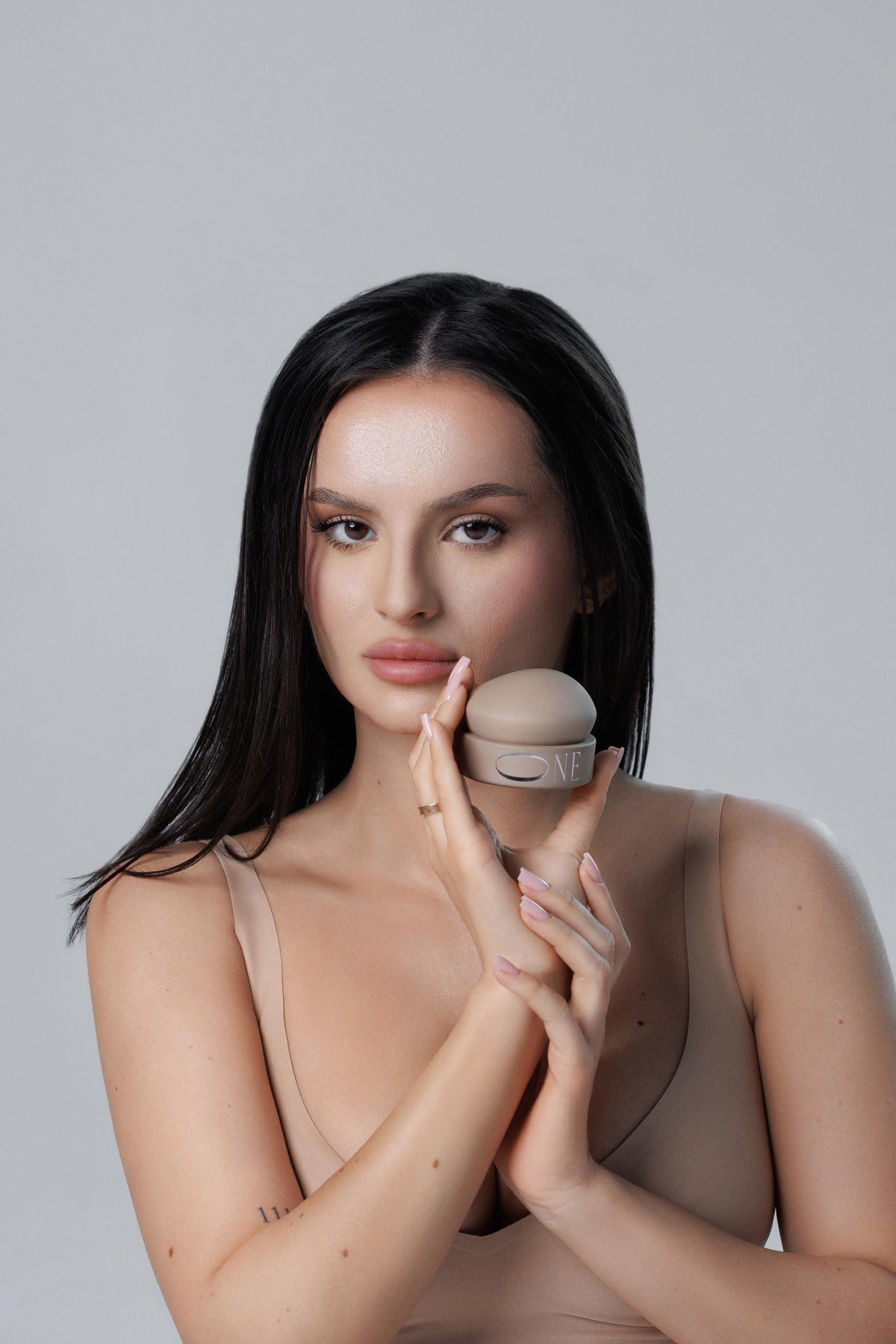
IOANA DIANA · ONE NAIL ACADEMY
Education rooted in experience
I am Ioana Diana, nail trainer and founder of ONE Nail Academy and the ONE brand.
I created this masterclass using multiple models so that the differences can be seen, not just listed.
I don't want you to just memorize my hand movements. I want you to understand what you are doing, why you are doing it, and what to check when the result is not what you expected.
MODULE 15 BEGINS