
MODULE 6
IGIENĂ, DEZINFECȚIE ȘI STERILIZARE
Correct instrument flow, sterilization area setup, and preparation for Public Health Directorate (DSP) inspections
Hygiene is not just about wiping the table and putting instruments into a device. As a technician, you must understand every stage the instruments go through: collection, cleaning, disinfection, inspection, drying, packaging, sterilization, and storage.
In this course, I will show you practically how the entire process should be organized, which instruments need to be sterilized, how to choose the right products and equipment, how to verify a sterilization cycle, and what documents need to be kept.
You will also understand how the sterilization area should be set up in order to work cleanly, safely, and efficiently, and how to demonstrate the process in the event of a DSP inspection.
PRE-LANSARE: Cursurile vor fi disponibile în contul tău începând cu 1 noiembrie 2026.

Maybe you can relate if…
- You confuse cleaning, disinfection, and sterilization.
- You do not know the order in which these steps must be carried out.
- You do not have a clear flow for the instruments used.
- Clean and contaminated instruments end up in the same area.
- You do not know what needs to be sterilized and what must remain single-use.
- You do not know which disinfection products to choose.
- You do not know how to prepare a solution or how long it must be left to act.
- You have a hot air oven, but you do not know if it can be used in your activity.
- You do not know if you need a hot air oven or an autoclave.
- You do not know what documents the device must have.
- You do not know if the device needs to be checked, calibrated, or maintained.
- You do not understand the role of indicators or "test strips."
- You do not know how to verify if sterilization was performed correctly.
- You do not keep a sterilization log.
- You do not know how sterilized pouches should be stored.
- You do not know how the sterilization area should be set up.
- You are afraid that you do not have the necessary documents in case of a Public Health Directorate (DSP) inspection.
- You want to organize your salon correctly before applying for approval or authorization.
What you will learn
- The difference between cleaning, disinfection, and sterilization.
- Why disinfection does not replace sterilization.
- The complete path of an instrument after use.
- How to separate the contaminated area from the clean area.
- How to prevent cross-contamination.
- How to collect and transport used instruments.
- How to properly clean instruments.
- How to choose the right disinfection solution for the intended use.
- How to follow concentration, contact time, and manufacturer instructions.
- How to rinse, inspect, and dry instruments.
- How to prepare instruments for packaging.
- Which instruments can be sterilized.
- Which instruments and supplies must be single-use.
- How to choose sterilization pouches.
- How to seal and label the pouches.
- The difference between a dry heat sterilizer and an autoclave.
- What you need to check before buying a device.
- What documentation you should receive for the equipment.
- What device verification, maintenance, and calibration mean.
- How to use the right indicators for the process.
- How to verify and document a cycle.
- How to fill out the sterilization log.
- How to store sterile instruments.
- How to organize the salon and the station between two clients.
- What documents and evidence you must be able to present during an inspection.
Cleaning, disinfection and sterilization: three different stages
In the course, you will clearly understand the role of each stage:
- Cleaning removes visible dirt and residue.
- Disinfection reduces microorganisms by using an appropriate product and following its instructions.
- Sterilization is the stage carried out through a controlled process, after the instruments have been cleaned, disinfected, checked, dried, and properly packaged.
An instrument does not become sterile just because it has been placed in a solution or put into a device. If the previous stages were performed incorrectly, the entire process can be compromised.
The correct instrument path
You will see in practice how the workflow is organized:
- The instruments used are collected safely.
- The instruments are transported to the area designated for processing.
- Cleaning and disinfection are performed.
- The instruments are rinsed, checked, and dried completely.
- The instruments are packaged and labeled.
- The appropriate sterilization cycle is performed.
- The cycle is verified and recorded.
- The pouches are stored in the clean area until use.
The circuit must move in a single direction, from the contaminated area toward the clean area. Dirty instruments must not cross paths with instruments that have already been prepared or sterilized.
What is sterilized and what is not reused
Not all items used in the salon are processed in the same way.
You will learn:
- How to identify reusable instruments that must be sterilized.
- How to check if the instrument material is compatible with the method used.
- Which supplies are single-use.
- Why a single-use product must not be cleaned and reused.
- How to dispose of single-use items after a client.
- How to keep used, processed, and sterile instruments separate.
- How to avoid damaging instruments through an inappropriate method.
Disinfection solutions
A solution is not chosen just because the label says "disinfectant." You must check which surface or instrument it is intended for and how it should be used.
In this course, you will learn:
- How to read the label and the technical data sheet.
- What usage the product is indicated for.
- What concentration must be observed.
- What the contact time is.
- How to prepare the solution when dilution is required.
- When it must be changed.
- How to store and label the container.
- What protective equipment must be used.
- Why you should not combine different products.
- How to choose products separately for instruments, surfaces, and hands.
Dry heat sterilizer or autoclave
In this course, I won't tell you to buy a device just because it's popular. I will teach you what to check before purchasing and whether the equipment can be legally used for the process you want to perform.
You will understand:
- The difference between hot air sterilization and steam sterilization.
- How a dry heat sterilizer works.
- How an autoclave works.
- Which instruments and packaging are compatible with each method.
- What documents must accompany the device.
- How to check the declaration of conformity and the manufacturer's instructions.
- Why a device bought online is not automatically suitable for professional use.
- Which checks and maintenance must be performed by authorized personnel.
- How to keep service, verification, and maintenance records.
- Why it is not enough for the device to just heat up or turn on.
The choice of equipment must be made based on applicable requirements, the device's documentation, the type of instruments, and the process that you can verify and demonstrate.
Sterilization indicators and monitoring
A change in an indicator's color does not automatically mean that the entire process was carried out correctly. Indicators have different roles and must be used according to the sterilization method and established procedure.
You will learn:
- What process indicators are.
- What chemical indicators verify.
- The role of biological controls and when they are necessary.
- Where indicators should be placed.
- How to interpret the results.
- What to do if the result is non-compliant.
- Why instruments from a non-compliant cycle must not be used.
- How to document the result in the register.
- How to maintain records of the cycles performed.
Sterilization log and traceability
It is not enough to say that you sterilize. You must be able to demonstrate when, how, and with what equipment the instruments were processed.
In the course, you will learn:
- What information is recorded in the sterilization log.
- How to identify each cycle.
- How to link the sterilized pouch to the cycle in which it was processed.
- How to record the date, the device, the program, and the verification result.
- How to store the indicators and related documents.
- How to check the expiry date and packaging integrity.
- What to do if the pouch is torn, wet, open, or improperly stored.
- How to create an easy-to-follow traceability system.
How to set up the sterilization area
The sterilization area must be designed based on the flow of instruments, not just the appearance of the furniture.
You will learn how to organize:
- The reception area for contaminated instruments.
- The cleaning and disinfection area.
- The space for rinsing and drying.
- The inspection and packaging area.
- The positioning of the sterilization equipment.
- The storage area for sterile instruments.
- Waste containers.
- Cleaning and disinfection products.
- Personal protective equipment.
- Documents, logs, and equipment files.
The workflow must reduce the risk of clean instruments coming back into contact with contaminated instruments.
Salon hygiene and reset between clients
Safety does not stop at the tools. You will also learn how to prepare the space before and after each client:
- Hand hygiene.
- Correct use of gloves.
- Cleaning and disinfection of the table.
- Disinfecting equipment and touched surfaces.
- Changing disposable supplies.
- Managing dust resulting from the service.
- Separating clean products from contaminated ones.
- Cleaning and maintenance of equipment.
- Organizing products so that packaging is not contaminated.
- Procedure in the event of a blood-related incident.
Preparation for DSP
The course helps you understand what you need to organize and document before the approval or authorization of the premises, and what you need to maintain afterwards.
You will learn how to verify:
- The organization and flow of the sterilization area.
- Equipment documentation.
- Contracts and documents required for the activity.
- Cleaning and disinfection products.
- Written procedures.
- The sterilization log.
- Instrument traceability.
- Service and maintenance records.
- Declarations of conformity.
- Cleaning and disinfection logs.
- Storage methods for instruments and supplies.
Requirements may be verified differently depending on the space, equipment, and competent authority. The course provides you with the process, documents, and questions you need to have prepared, and for the specific situation of your premises, you will verify the applicable requirements with your local Public Health Authority (DSP) and authorized specialists.
More security. A process you can demonstrate.
After completing the course, you will have clear benchmarks for:
- Differentiating between cleaning, disinfection, and sterilization.
- Organizing the complete instrument workflow.
- Preventing cross-contamination.
- Correctly selecting reusable instruments and consumables.
- Choosing the right solutions and following their usage instructions.
- Verifying the documentation of a dry heat or steam sterilizer (autoclave).
- Understanding equipment verification and maintenance.
- Using and interpreting indicators.
- Filling out the sterilization logbook.
- Maintaining cycle traceability.
- Correctly setting up the sterilization area.
- Preparing the salon for clients and Public Health Directorate (DSP) inspections.
- Protecting the client, the technician, and the salon's business.
It is for you if…
- You are just starting out and want to learn the correct process.
- You are already working, but you do not have a clear path for your instruments.
- You confuse disinfection with sterilization.
- You do not know which equipment to choose.
- You bought a dry heat sterilizer or autoclave, but you do not know if the documents are sufficient.
- You do not use or do not understand the indicators.
- You do not complete the sterilization log.
- You want to set up your own studio or salon.
- You are about to request the inspection or authorization of the space.
- You want to be prepared in case of a Public Health Directorate (DSP) inspection.
- You want to work cleanly, safely, and professionally.
It is not for you if…
- You do not work and do not intend to work with reusable instruments.
- You do not want to follow all the steps of the process.
- You believe that simply placing instruments in a solution is sufficient.
- You do not want to fill out logs or keep cycle documentation.
- You already have a verified, documented, and correctly applied process, with no ambiguities regarding equipment, indicators, and space requirements.
It is for you if…
- You are just starting out and want to learn the correct process.
- You are already working, but you do not have a clear path for your instruments.
- You confuse disinfection with sterilization.
- You do not know which equipment to choose.
- You bought a dry heat sterilizer or autoclave, but you do not know if the documents are sufficient.
- You do not use or do not understand the indicators.
- You do not complete the sterilization log.
- You want to set up your own studio or salon.
- You are about to request the inspection or authorization of the space.
- You want to be prepared in case of a Public Health Directorate (DSP) inspection.
- You want to work cleanly, safely, and professionally.
It is not for you if…
- You do not work and do not intend to work with reusable instruments.
- You do not want to follow all the steps of the process.
- You believe that simply placing instruments in a solution is sufficient.
- You do not want to fill out logs or keep cycle documentation.
- You already have a verified, documented, and correctly applied process, with no ambiguities regarding equipment, indicators, and space requirements.
What you get in Module 6
- Theoretical video lessons and practical demonstrations.
- The complete journey of the instruments, step by step.
- Explanations regarding cleaning, disinfection, and sterilization.
- Comparison between dry heat sterilizer (pupinel) and autoclave.
- Guidelines for verifying equipment documentation.
- Explanations regarding indicators and cycle control.
- Sterilization logbook template.
- System for identification and traceability of pouches.
- Checklist for setting up the sterilization area.
- Checklist for resetting the workspace between clients.
- List of documents to be organized for inspection.
- Module 6 workbook in PDF format.
- Digital certificate of participation, available for download from your account after completing the course.
Choose how you want to learn
PRE-LANSARE: Cursurile vor fi disponibile în contul tău începând cu 1 noiembrie 2026.
DIGITAL VERSION
Online course + PDF workbook + digital diploma
Video lessons and PDF materials for reading, downloading, and taking notes.
The digital certificate of participation can be downloaded from your account upon completion.
PREMIUM VERSION
Online course + physical materials + physical diploma
Printed support and personalized physical diploma, signed by Ioana Diana.
They are shipped together in a package prepared in the ONE style.
A module or the entire course?
You can purchase this module individually, combine it with two, three, or more modules, or you can choose the entire Base 1 program.
The complete package includes all 25 modules and is more affordably priced than individual purchases.
Upon completing the 25 modules, the student receives the special, personalized Base 1 diploma, created in a premium plexiglass format and shipped by ONE Nail Academy.
PRE-LAUNCH OFFER
25% DISCOUNT FOR ONE MONTH
Courses can be purchased before publication. The pre-order offer is available for one month, and access is activated starting November 1, 2026.
- You reserve your access.
- You benefit from the 25% discount.
- You choose one module, multiple modules, or the full package.
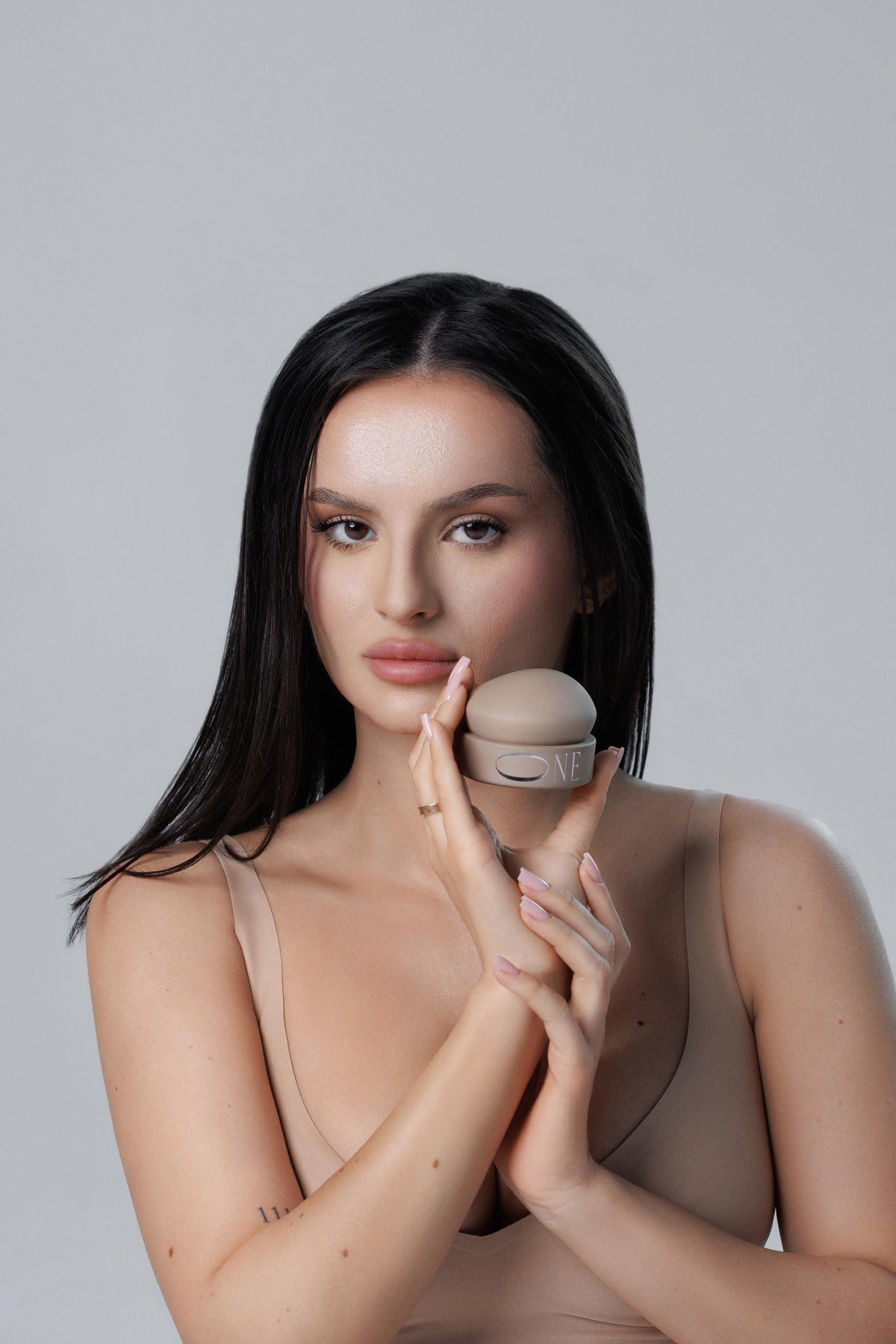
IOANA DIANA · ONE NAIL ACADEMY
Education rooted in experience
I am Ioana Diana, nail trainer and founder of ONE Nail Academy and the ONE brand.
I created this module so that hygiene becomes a workflow that you follow and check daily.
I don't want you to just memorize the movement of my hand. I want you to understand what you are doing, why you are doing it, and what to check when the result is not what you expected.
START MODULE 6