
MODULE 12
EVALUAREA UNGHIEI ȘI CONTRAINDICAȚIILE
How to choose the right service and when it is safer not to work
Before choosing the product, technique, or shape, you must learn to correctly evaluate the client's nails and lifestyle.
Not all clients can wear the same architecture, the same length, or the same material. The fact that a client wants slim nails does not automatically mean that this technique is suitable for her nail plate and the way she uses her hands.
In this course, I show you how I analyze the nail before each service, what questions I ask the client, and how I choose the right product, technique, length, and architecture. Because we do not work "by eye" and we do not execute every photograph the client shows us. We evaluate, explain, and recommend professionally.
PRE-LANSARE: Cursurile vor fi disponibile în contul tău începând cu 1 noiembrie 2026.

Maybe you can relate to this if…
- You use the same technique for all your clients.
- You choose the product based on your preference, not the nail plate.
- You don't know when to choose rubber base, gel, or acrygel.
- You don't know if a client needs protection, structure, or an extension.
- The client asks for slim nails, but you don't know if they suit her.
- You don't analyze the length of the nail bed and the stress points.
- You don't know what length the natural nail can safely support.
- You notice lifting during maintenance, but you don't analyze the area and the possible cause.
- You change the product immediately when lifting occurs.
- You take on a client who had her nails done elsewhere and you don't know whether to keep or remove the existing material.
- You don't ask the client what activities she performs and how she uses her hands.
- You don't adapt the service for clients who put a lot of strain on their nails.
- You don't know what relevant questions to ask about pregnancy, treatments, or known hormonal changes.
- You don't know when you can continue the service and when you need to stop.
- You do nails based on a client's photo, even if the shape doesn't suit her.
What you will learn
- How to conduct the consultation before each service.
- How to analyze the natural nail plate.
- How to evaluate thickness, flexibility, and direction of growth.
- How to observe the shape and length of the nail bed.
- How to identify stress points and vulnerable areas.
- How to check the condition of the skin and structures around the nail.
- How to analyze a set coming in for a refill.
- How to check for lifting, cracks, corners, and structural imbalance.
- How to proceed when a client comes with work done at another salon.
- How to choose the material based on the natural nail.
- How to choose the appropriate technique and architecture.
- How to determine a realistic and safe length.
- How to adapt the service to the client's activity and lifestyle.
- How to identify contraindications.
- How to explain your recommendation to the client without appearing unsure.
- How to professionally refuse an unsuitable technique or service.
The assessment begins with a discussion with the client.
Before you touch the nail, you must understand who the client is and what her expectations are.
You will learn to find out:
- What service she had previously.
- How much time has passed since her last appointment.
- How the nails held up.
- Whether she experienced lifting, cracks, or broken nails.
- In which areas the problems occurred.
- Whether the problems always appear on the same fingers.
- What professional activity she performs.
- How much she uses her hands.
- Whether she uses her nails as tools.
- Whether she works with water, chemicals, or gloves.
- What length and shape she desires.
- Whether there are health changes, treatments, pregnancy, or known factors that need to be communicated.
- What result is realistic for her nail plate.
You do not make diagnoses and do not assume a problem is "hormonal." You gather relevant information, observe the nail, and choose the safest option within the limits of your profession.
How do you analyze the nail plate?
You will learn to observe:
- The thickness and flexibility of the nail plate.
- The natural direction of growth.
- Straight, downward, or upward-growing nails.
- The shape and length of the nail bed.
- The natural curvature.
- The growth points.
- The natural side walls.
- The stress zones.
- Symmetry.
- The integrity of the plate.
- Sensitivity.
- Signs of over-filing or damage.
- Changes that may indicate a contraindication.
A correct assessment helps you avoid choosing a technique just because it is popular or looks beautiful in a photograph.
Evaluation of maintenance work
When the client returns, the work shows you what happened between appointments.
You will analyze:
- How the natural nail has grown.
- Where the apex is located now.
- Whether the architecture is still balanced.
- Whether the material has kept its shape.
- Whether there is lifting and in which area.
- Whether there are cracks or broken corners.
- Whether the sidewalls are intact.
- Whether the length was appropriate.
- Whether the problem occurs only on certain fingers.
- Whether the chosen material was suitable.
- Whether the technique should be kept or changed.
We do not cover up lifting and we do not simply fill in the regrowth area. We analyze the possible cause and reconstruct the service according to the current situation.
When the client comes from another salon
You will learn how to proceed when you do not know:
- The products that were used.
- How the nail plate was prepared.
- The compatibility between the existing materials and your products.
- The actual condition of the nail underneath the material.
- The cause of the lifting or cracks.
- The correctness of the existing architecture.
We will discuss when you can keep stable material, when part of it needs to be removed, and when it is safer to perform a complete removal before a new service.
How to choose the right product
Depending on the assessment, you will understand when it might be appropriate to use:
- A rubber base.
- A builder gel.
- A liquid gel.
- A more rigid gel.
- An acrygel.
- A compatible combination of products.
- A protective technique.
- An extension or a fill.
The choice is not made based on your preferred consistency. What matters is the nail plate, the length, the architecture, the flexibility of the material, the daily stress, and the client's history of retention.
How to choose the technique and architecture
You will learn how to determine:
- Whether you can keep the natural nail or if a correction is needed.
- Whether the service can be performed without filing.
- Whether a stronger structure is necessary.
- Whether a slim shape is suitable.
- Whether a classic or modern architecture should be chosen.
- What length the nail plate can support.
- Where the apex should be positioned.
- How to adapt the architecture to the direction of growth.
- How to protect the stress points.
- How to choose a shape that flatters the hand while remaining functional.
The client may come with inspiration, but you must provide the professional assessment and recommendation.
The client's lifestyle matters
The same type of nail will not hold up the same way for two people with different activities.
We discuss how to adapt the service for clients who:
- Type a lot.
- Work in fields that require intensive use of their hands.
- Play sports.
- Work frequently with water.
- Use cleaning products.
- Wear gloves for many hours.
- Take care of small children.
- Frequently strike or put pressure on their nail tips.
- Return at longer intervals than recommended.
- Want a length that is incompatible with their activity.
Pregnancy, hormonal changes, and other health information
You will learn how to discuss the following in a delicate and professional manner:
- Pregnancy.
- Treatments the client is undergoing.
- Known allergies or sensitivities.
- Reactions to previous services.
- Observed changes in the nails.
- Conditions already diagnosed by a doctor.
- Medical recommendations the client has received.
This information may be part of the assessment, but the technician does not diagnose, nor do they automatically attribute lifting to a hormonal issue. When there is a medical suspicion or an unusual change, the service is postponed, and the client is referred to a specialist.
Contraindications: when it is safer not to work
You will learn to recognize situations in which you must stop:
- Inflammation.
- Pain.
- Bleeding.
- Open wounds.
- Signs of infection.
- Unusual color changes.
- Significant lifting of the product.
- Allergic reactions or suspected sensitization.
- Trauma requiring medical evaluation.
- Any situation in which you cannot perform the service safely.
A reasoned refusal does not mean you lose a client. It means you respect your profession and protect their health.
How do you communicate the recommendation
You will learn how to explain to the client:
- What you have observed.
- Which technique you recommend for her.
- Why a certain product is more suitable.
- Why the length needs to be modified.
- Why the desired shape is not safe for her nails.
- What result you can realistically achieve.
- What habits need to be changed for better durability.
- When maintenance is necessary.
- Why you sometimes have to refuse or postpone the service.
You don't just tell her: "It's not possible." You explain what you observed and offer her the best alternative for her nails.
More clarity. Fewer choices made by guesswork.
After completing the course, you will have clear guidelines for:
- Performing a complete consultation.
- Analyzing the nail plate before application.
- Correctly evaluating a set coming in for a refill.
- Identifying possible causes of lifting.
- Choosing the product according to the situation.
- Recommending the appropriate technique and architecture.
- Establishing a safe length.
- Adapting the service to the client's activities.
- Recognizing contraindications.
- Professionally communicating a recommendation or a refusal.
- Building personalized services, rather than identical ones for every client.
It is for you if…
- You are a beginner and don't know which technique to choose.
- You are already working, but you use the same products for all your clients.
- You have clients with lifting and cannot identify the cause.
- You don't know how to analyze work done at another salon.
- You don't know when to choose rubber base, gel, or acrygel.
- Clients ask for shapes that don't suit them, and you don't know how to explain it to them.
- You want to customize the service according to the nail plate.
- You want to learn how to refuse professionally when a service is not safe.
- You want every technical decision to have an explanation.
It is not for you if…
- You apply the same technique to all clients and refuse to adapt it.
- You execute any requested design, even if it is unsuitable or unsafe.
- You refuse to consult with the client before the service.
- You cover lifting without cleaning it or analyzing the cause.
- You do not consider evaluating the natural nail necessary.
- You provide medical diagnoses without the required training.
- You have already mastered complete evaluation, material selection, contraindications, and architectural customization.
It is for you if…
- You are a beginner and don't know which technique to choose.
- You are already working, but you use the same products for all your clients.
- You have clients with lifting and cannot identify the cause.
- You don't know how to analyze work done at another salon.
- You don't know when to choose rubber base, gel, or acrygel.
- Clients ask for shapes that don't suit them, and you don't know how to explain it to them.
- You want to customize the service according to the nail plate.
- You want to learn how to refuse professionally when a service is not safe.
- You want every technical decision to have an explanation.
It is not for you if…
- You apply the same technique to all clients and refuse to adapt it.
- You execute any requested design, even if it is unsuitable or unsafe.
- You refuse to consult with the client before the service.
- You cover lifting without cleaning it or analyzing the cause.
- You do not consider evaluating the natural nail necessary.
- You provide medical diagnoses without the required training.
- You have already mastered complete evaluation, material selection, contraindications, and architectural customization.
What you get in this module
- Structured and easy-to-follow video lessons.
- Complete nail assessment before the service.
- Analysis of work presented for maintenance.
- Criteria for choosing the product, technique, and architecture.
- Important questions for the client consultation.
- Guidelines for identifying contraindications.
- Examples of professionally formulated recommendations and refusals.
- Module workbook in PDF format.
- Digital certificate of participation, available in your account upon completion.
Choose how you want to learn
PRE-LANSARE: Cursurile vor fi disponibile în contul tău începând cu 1 noiembrie 2026.
DIGITAL VERSION
Online course + PDF workbook + digital certificate
Video lessons and PDF materials for reading, downloading, and taking notes.
The digital certificate of participation can be downloaded from your account upon completion.
PREMIUM VERSION
Online course + printed materials + physical diploma
Printed materials and a personalized physical diploma, signed by Ioana Diana.
They are shipped together in a package prepared in the ONE style.
A module or the entire course?
You can purchase this module individually, combine it with two, three, or more modules, or you can choose the entire Base 1 program.
The complete package includes all 25 modules and is more affordably priced than purchasing them individually.
Upon completing the 25 modules, the student receives the special, personalized Base 1 diploma, created in a premium plexiglass format and shipped by ONE Nail Academy.
PRE-LAUNCH OFFER
25% DISCOUNT FOR ONE MONTH
Courses can be purchased before they are published. The pre-order offer is available for one month, and access is activated starting November 1, 2026.
- Reserve your access.
- Benefit from a 25% discount.
- Choose one module, multiple modules, or the complete package.
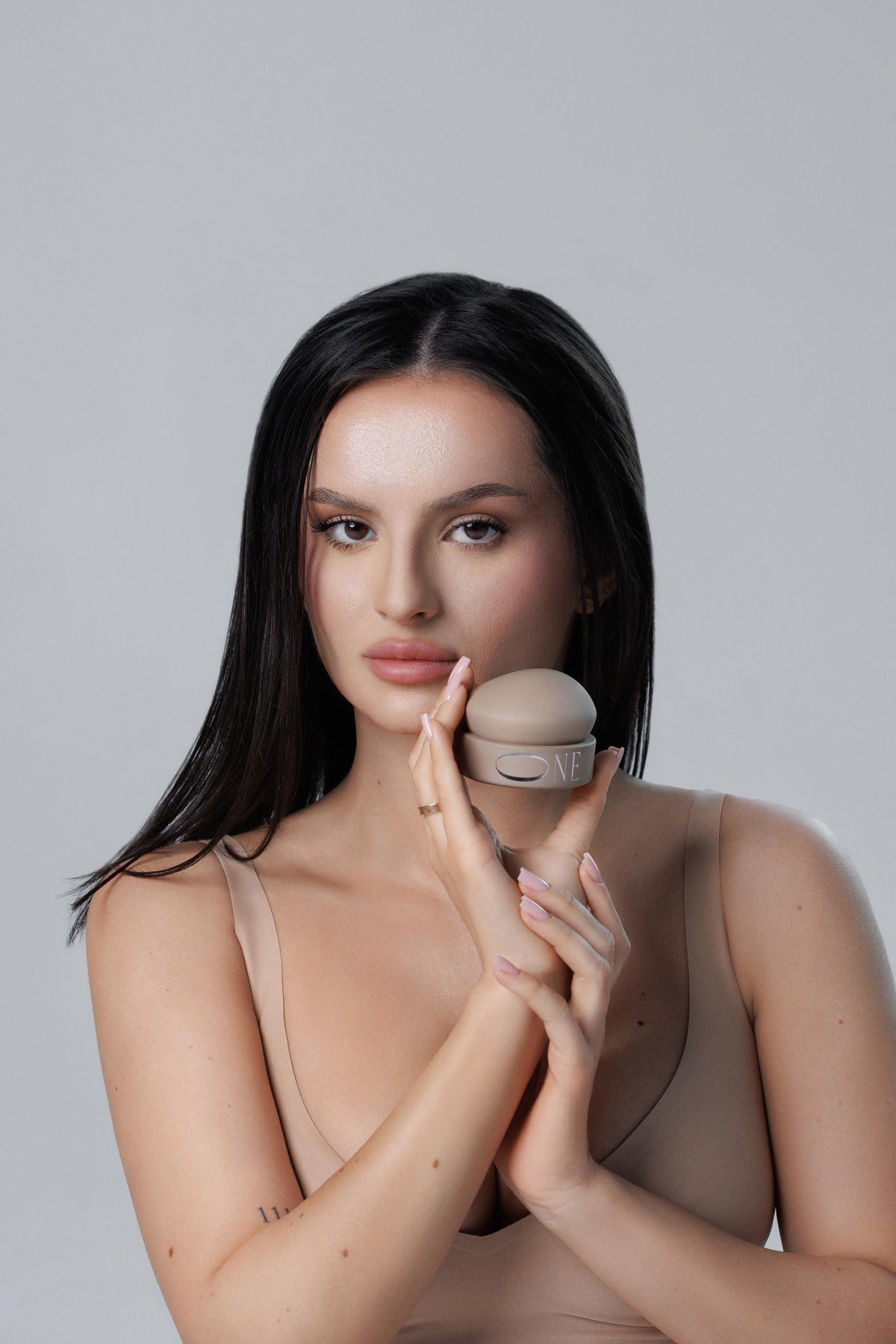
IOANA DIANA · ONE NAIL ACADEMY
Education born from experience
I am Ioana Diana, nail trainer and founder of ONE Nail Academy and the ONE brand.
I created this module so that assessment is the first step, not the reaction after a problem arises.
I don't want you to just memorize the movement of my hand. I want you to understand what you are doing, why you are doing it, and what to check when the result is not what you expected.
MODULE 12 BEGINS